
Keep ticks off the scorecard this season
Helping golf courses keep ticks out of play this year.

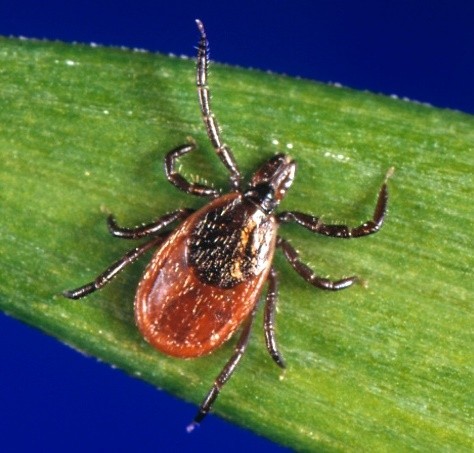 |
Blacklegged tick (Ixodes scapularis) season is back across Canada, and these unwelcome pests are moving quickly — spreading by almost 50 km each year. As Lyme disease cases continue to climb, golf facilities have a timely opportunity to protect both golfers and staff with smart, proactive measures. |
On golf courses, the highest risk is typically found along taller grasses, roughs and woodland edges — areas where ticks are most likely to thrive. Across Canada, blacklegged ticks (Ixodes scapularis) and western blacklegged ticks (Ixodes pacificus) are the primary vectors associated with Lyme disease. Depending on the region, ticks may also be associated with other pathogens of concern, including those that cause anaplasmosis, relapsing fever and Powassan virus. That makes habitat management and population reduction an important part of a strong, property-wide risk management strategy.
Recent national surveillance data reinforce the urgency. Reported Lyme disease cases in Canada have increased substantially over the past decade, with the Public Health Agency of Canada reporting 5,809 cases in 2024 and preliminary reporting of 7,105 cases in 2025. Tick populations and risk areas continue to expand in many provinces, particularly in southern and central regions where golf courses, naturalized areas, woodland edges and recreational landscapes create frequent opportunities for human-tick contact.
Community-based surveillance through eTick.ca adds another useful layer of awareness by highlighting reported tick encounters across Canada. It offers a practical snapshot of where tick encounters are being reported and where added vigilance may be warranted to help keep you aware. For golfers, staying alert around taller vegetation, consistently using insect repellent and performing routine body checks after time spent in long grass will go a long way. To learn more and keep up to date, consult federal, provincial, and local public health resources for current tick and Lyme disease guidance in your region.
For golf courses looking to strengthen their tick management program, Suspend® PolyZone® (deltamethrin) insecticide offers a proven option for reducing tick abundance in higher-risk areas. Registered for tick control, Suspend PolyZone is formulated to deliver improved residual performance on treated outdoor surfaces. In practice, applications can be directed to perimeter vegetation, rough margins, path edges, and other transition zones between intensively managed turf and taller surrounding vegetation — helping target the areas where human-tick contact is more likely. See our Golf course product sheet for more detailed application information.
As with any pesticide application, treatments must always be made strictly according to the Canadian product label, including all requirements related to rate, carrier volume, site limitations, environmental precautions and reentry intervals.
For more information about ticks, download the solution sheet or contact your local Territory Sales Manager for tick control strategies specific to your needs.